
Shop
Sorry, we are currently compiling our product list for selfseal bags. In the meantime please visit our sister site to see our full product range of Polythene Bags.
Make sure you read this when buying poly bags
Details about 100PCS Mailing Bags Logistics Plastic Waterproof Portable Small Seal strip
Mailing bags need to do above grasp an item together, because their proper value is found in how they behave amid packing and transit. A superb polythene suppliers mailer combines low weight with a seal strip that closes cleanly, so operatours are not fighting sticky edges or split seals when the line is moving quickly. Even the method the bag lays on a pallet matters, since poor settling wastes cube and creates awkward stacks that are harder to transport securely. When gauge control is tight, puncture resistance stays proper without making the film stiff, and that normally means less returns caused by handling damage.
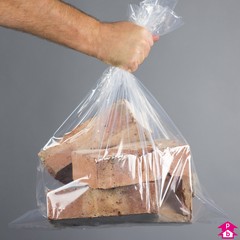
polythene suppliers bags work well for short-term containment when the film grade matches the load, nevertheless the gross bag soon shows its weak point. Thin material can tear on sharp corners, and a poor gauge leaves the pack also slack for anything with a bit of weight or movement. That means the proper issue is not the bag itself so much as how it behaves below handling. If stacking is rough or edges are left unprotected, a tidy fill can turn into leakage, split seams and damaged products before dispatch. A sensible specification retains the pack together without wasting material, so the bag does the simplest job properly.
Plain polythene suppliers Bags WxL 381 Lightweight Pack of 1000
Plain polythene suppliers bags in the 381 x 508 mm size make handling easier because they bridge the gap between small bags and overlarge sacks. That middle ground gives enough room for mixed contents while avoiding excess film that only adds weight and waste. A lighter gauge assists when all gramme counts in a consignment, nevertheless the film still has to open cleanly and grasp together through normal bench work. If the bag feeds neatly from the stack, operatives spend less time fighting the format and more time packing, so line flow stays proper and rejects drop away.
Bubble Bags
Bubble bags are a sensible method to keep safe loose or fragile contents because the air pockets absorb knocks that would otherwise label or crack the product. They work well when items are being picked, stacked and moved through a warehouse, where repeated handling is often rougher than the last client expects. The bag format also makes counting and secondary packing simpler, particularly for small parts or awkward products that need to stay separate in transit. If the film gauge and seal quality are matched to the load, the packaging can do its job without wasting material or taking up also much shelf space.
SMART Dog Waste Bags
Waste bags work properly only when the film, dispenser and handling conditions are matched to the job. A thin polythene suppliers gauge can be fine if it opens cleanly, survives grit, and has enough toughness to be knotted without splitting at the neck, nevertheless a flimsy blend will tear as soon as a damp hand pulls at it or a sharp edge catches amid draw-off. Dispenser design matters only as much, because a tight feed point drags at the seam while a sloppy one causes bunching and wasteful overuse. That small bit of control retains the mail moving and prevents avoidable mess.
Co-op to replace plastic bags with compostable carriers
The transport away from single-use carrier bags works because stronger reusable bags cope better with proper shopping loads and rougher handling. Thin bags often fail at the handle seal or stretch badly when loaded with bottles, tins, or chilled products, which leads to spills and complaints at the checkout. A heavier gauge bag, or a woven-style reusable option, gives better film strength and longer service life, so less bags are needed for the same number of trips. Retailers also simplify handling at till points when bag failure is less normal. That makes the bag selection less about a fast sale and more about reducing damage, waste, and client frustration.
Custom Printed Carrier Bags
Printed carrier bags have to be managed like any other working stock, because they affect space, picking and the see of the till point all day. A dash that is also long leaves cartons sitting in the warehouse long after demand has moved on, tying up room that should be reserved for faster-selling lines. Too short a dash creates gaps, awkward reordering and a mixed appearance at dispatch or point of sale. The optimal specification gives enough control above registration, handle strength and print quality to retain the bags consistent even in smaller batches, which makes stock rotation easier and cuts the risk of outdated bags hanging about after a promotion has ended.
262mm x 356mm Mounted Photograph Cellophane Display Bags Self Seal Pack of 100-14 x 10 Cello 40 Micron 30mm Flap
Display bags rely on a film that stays flat and transparent, because any crease, scuff or ripple shows straight through to the printed item inside. Soft polythene suppliers may be easy to fold, nevertheless it can buckle when lifted from a stack or rubbed amid handling, which quickly makes fastened photographic stock see tired. A firmer gauge grasps its shape better and gives the pack enough body to sit neatly on a shelf or in transit. That also assists when stock is moving through alternative hands, since cleaner presentation reduces the chance of superb product being downgraded by handling damage.
Goodbye orange waste bags - hello bins
Rubbish bags are a poor fit for mixed household waste when the main problem is control at the kerbside. Thin film sacks stretch, split and vary wildly in fill level, which makes assortment awkward and leaves also much to chance in the yard as well as on the round. A rigid bin gives the load a fixed shape, so it stacks better, travels more steadily and reduces the sort of handling damage that comes from dragging loose bags across a wagon or loading bay floor. It also retains wet food waste and stray litter inside a defined space, instead of relying on a knot and a bit of luck. That change normally makes the all waste stream easier to manage from first lift to last disposal.
Carrier bags expose poor material control very quickly, because a thin, badly manufactured bag fails at the point of use and leaves behind waste as well as client frustration. The proper issue is not only whether a bag exists, nevertheless whether the film gauge, seal strength and handle design are matched to the load and the journey it will take. A bag that rips in the car park or the back of a van creates handling damage and additional disposal problems, while a sturdier one can do several jobs before entering the waste stream. That is why buying decisions for this small item should be based on performance, not only appearance.
Buying tips for plastic bags
Plain polythene suppliers carriers can make select-face packing dash more smoothly because a normal stock line is simple to store, easy to issue and fast for staff to grab amid a busy shift. Fewer sizes and less printed variants mean less clutter in racking and less chance of old stock hanging about until it loses value through age or poor rotation. The proper judgement sits in the specification, not the appearance. Gauge, handle style and resin blend determine whether the bag loads cleanly and grasps together when a hand is full or the contents are oddly shaped. That is why a plain carrier often gives better daily service than a fancier option.
Grey Mailing Bags Strong Poly Postal Postage Post Mail Self Seal All Sizes Cheap Grey Mailing - £151.99
Mailing bags need to be specified for rough handling rather than tidy shelf display, because the weak point normally shows up in the seam or the corners, not in a few dramatic split across the face. A co-extruded polythene suppliers construction with the proper gauge can cope with sharp carton edges, strange-shaped contents and the scrapes that come from mixed parcels moving through a busy dispatch area. Poor film selection tells on the floor: seals creep, bags distort below stack pressure and pallet stability beginnings to suffer before the load has even left the building. A bag that grasps its shape and seal gives the warehouse a cleaner, safer line of movement.
Plain polythene suppliers bags work well when the job is to keep safe and contain rather than to impress. Without print, the focus stays on the film itself, so gauge control, seal strength and how cleanly the bag opens all matter above appearance. That makes them a sensible selection for fast packing lines, where secondary packing and fast changes between products can slow all down if the bags behave poorly. Good plain film should dash evenly, seal without hesitation and take a fair amount of handling without splitting at the corners. When the bag is manufactured properly, the line retains moving and less packs stop up being reworked.
Colored Poly Bags
Coloured poly bags do above make a shelf see tidy; they assist teams sort stock, separate grades, and spot the proper pack quickly on a busy line. Choice of colour can reduce picking errours in dispatch, group alternative product sizes, or label items that need additional care in storage. When the bag is manufactured from the proper gauge of polythene suppliers, the colour should not conceal weak seals or thin spots, so film quality still matters above appearance. A sensible colour system makes warehouse work easier and cuts down on wasted handling.
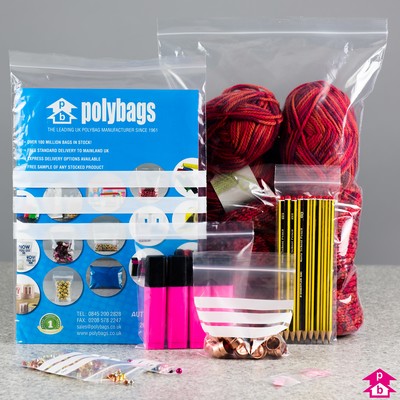
Grip seal bags need the proper capacity if the closure is to work properly and the pack is to stay tidy through handling and storage. A bag that is filled beyond its safe working room puts strain on the zip track, which can lead to poor closure, split corners or product spill amid picking and dispatch. At the other extreme, an oversised bag leaves excess film around the contents, wastes material and reduces packing efficiency in secondary cases. Good sizing assists the line dash cleaner, retains pallets neater and makes stock easier to transport through the warehouse without needless rework.
Plain polythene suppliers bags perform optimal when the film is chosen to suit the product and the handling route, not when the lightest potential gauge is chased for the sake of saving material. A bag that sees fine on the reel can still cause trouble if the melt is inconsistent or the seals are uneven, because those faults tend to display once the bag is filled and stacked. Split seams, awkward opening and additional rework on the line all point to a specification that is trying to do also much with also small film. A realistic gauge gives steadier handling and less surprises in dispatch.
Air Bubble Bags Market by Type, Stage, End-User,Forecast 2025
Bubble bags are judged less by their appearance than by how well they stop knocks, scuffs and compression amid handling. The same basic structure can perform very differently depending on film gauge, bubble size and seal quality, because a weak seal or thin skin leaves gaps where air escapes and cushioning drops away. On a busy packing bench, that can mean more pack rework, more handling damage and a poorer result when parcels are stacked in transit. Good warehouse practice also matters, since crushed cartons and poorly stored rolls can ruin consistency before the bags even reach the line. The sensible selection is the one that matches the weight and fragility of the products without wasting material.
Woven polypropylene gives normal waste bags the strength needed for rough household waste without splitting below normal handling. The woven structure spreads load better than a plain thin film, so sharp edges, bottle necks and mixed dry waste are less likely to punch through amid filling or lifting. That matters in stores, on-site storage and the last transport to a bin or skip, where bags often acquire dragged or turned rather than carried neatly. The material also grasps its shape well, which makes stacking and bundling easier in the warehouse. A bag that retains its integrity saves time, reduces spill risk and cuts down on unnecessary replacement.
Plastic bags will need tighter control because the law pushes countries to cut consumption sharply rather than rely on vague promises. That puts pressure on retailers, distribution centres and waste systems to shift away from loose, high-volume bag use and towards better packing selections at the point of sale. Thin carrier bags are often handed out far more freely than they are needed, which creates avoidable material use and additional waste to handle afterwards. The proper issue is not only the bag itself, nevertheless the habits built around it. Reducing bag take-up means changing packaging routines and client handling at the same time, which is where the biggest savings normally appear.
Printed Carrier Bag
Printed carrier bags succeed only when the film is robust enough to handle shop-floor use without losing its clever appearance. A bag can transport sharp print and still be poor if the polythene suppliers gauge is uneven, the film feels also soft, or the handles split below a normal retail load. That means the starting point is material control: consistent extrusion, proper stiffness, and enough puncture resistance for routine handling at the till and on the method home. If those basics are proper, the bag opens properly, stacks well for packing, and presents a cleaner face to the client.